Should I Buy a DTF Printer? A Comprehensive Guide for Print Entrepreneurs
In recent years, Direct-to-Film (DTF) printing has gained considerable attention in the printing industry. With its ability to print on a variety of materials like cotton, polyester, and even non-textile items, many businesses are asking, “Should I buy a DTF printer?”
If you’re in the print business, or considering entering it, this question might be on your mind as well. Below, we’ll explore the advantages, challenges, and considerations involved in deciding whether a DTF printer is the right investment for your business.
What is DTF Printing?
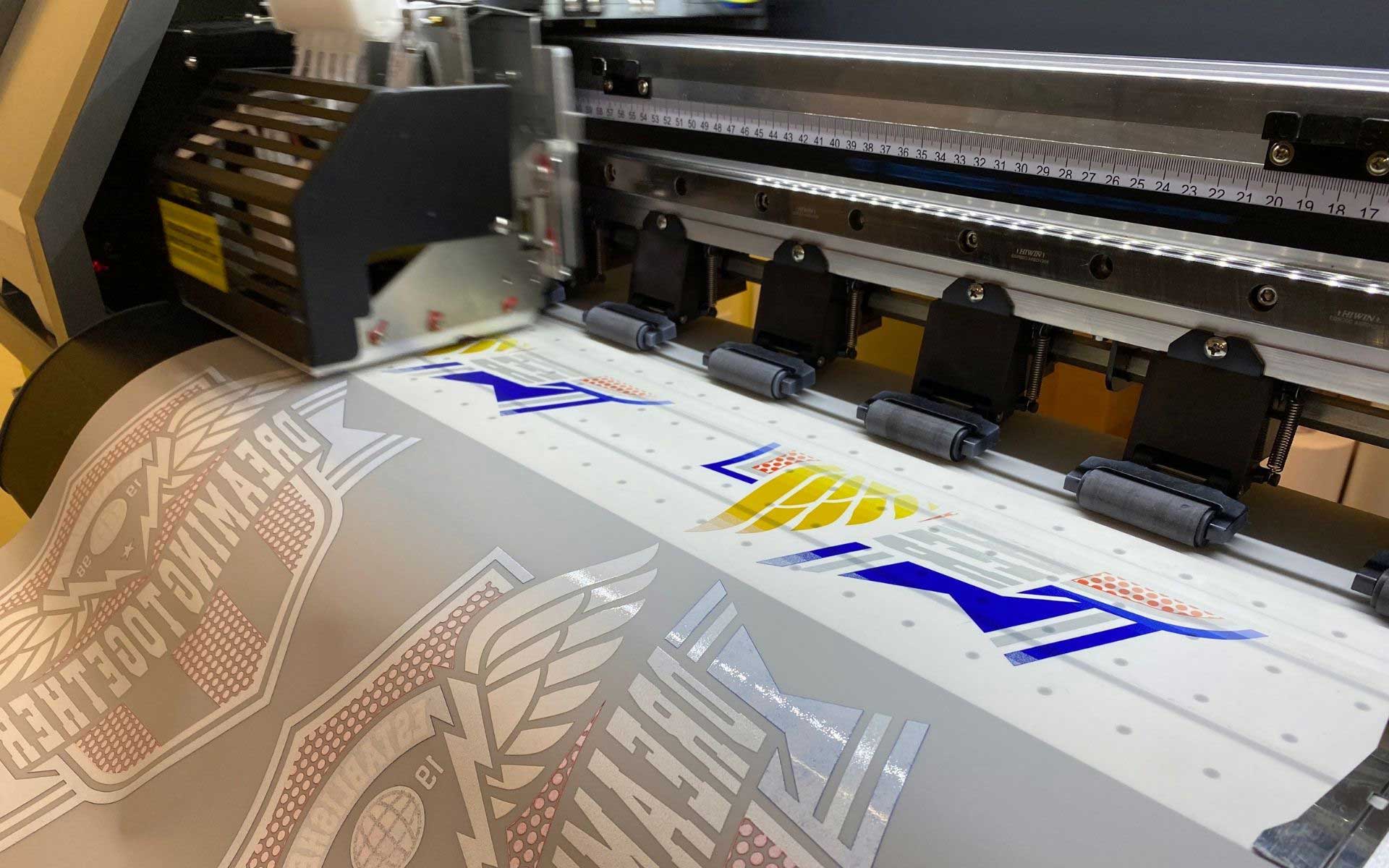
DTF printing involves printing designs onto a special transfer film using water-based ink, then transferring the design onto a variety of substrates using heat. Unlike traditional screen printing or direct-to-garment (DTG) printing, DTF printing uses a transfer film, which makes it versatile for a range of fabrics and materials. This printing method can be used for apparel, bags, hats, shoes, and even some non-fabric products, opening up endless possibilities for entrepreneurs.
Advantages of DTF Printing
1. Versatility with Materials
One of the main reasons to buy a DTF printer is its ability to print on nearly any material. Whether it’s cotton, polyester, or blends, you can print on t-shirts, hoodies, hats, socks, and more. This makes DTF printers ideal for businesses that offer custom merchandise, as the printer can handle a wider variety of products compared to other printing technologies.
2. Lower Cost of Entry
DTF printers generally have a lower upfront cost compared to other types of printing machines, such as DTG printers. This makes them an attractive option for new entrepreneurs or small businesses with limited capital. Additionally, the materials used in DTF printing (such as films and inks) are often more affordable, making it easier to scale production without breaking the bank.
3. Vibrant Prints and High Durability
DTF printers are capable of producing high-quality, vibrant prints with excellent color accuracy and fine details. The printed transfers are also durable and have good washability, which is crucial for customers looking for long-lasting designs on garments.
4. Faster Production Time
Compared to screen printing, DTF printing offers a quicker setup time and faster production, especially for smaller runs. There’s no need to create screens, and the print speed can be quite high, making it ideal for on-demand printing businesses or small-run custom orders.
5. Less Waste
DTF printing reduces the material waste seen in traditional printing methods. It’s a print-on-demand process, meaning you only print the exact quantity needed, reducing inventory costs and leftover materials.
Challenges of DTF Printing
1. Learning Curve
Like any new technology, there is a learning curve when it comes to mastering DTF printing. While it’s user-friendly for those familiar with printing processes, newcomers may need some time to get the settings right, optimize the color profiles, and ensure consistent results. Training and practice are essential for getting the most out of your DTF printer.
2. Ink and Film Costs
Although the upfront investment may be lower, the ongoing cost of ink and transfer film can add up over time. The quality of the ink and film used is critical to the final print results. Lower-quality materials can compromise the vibrancy and durability of prints, and thus, it’s important to use quality materials, which come at a higher price point.
3. Maintenance Requirements
DTF printers require regular maintenance to ensure long-lasting performance. The print heads need to be cleaned periodically to prevent clogging, and the system must be properly maintained to avoid downtime and repair costs. Depending on the model, the maintenance process can be time-consuming, so it’s important to factor this into your decision.
4. Printer Size and Space Requirements
DTF printers can be bulky, and they require sufficient space for operation, especially in production environments. Make sure you have a dedicated area for the printer and consider its size when planning the layout of your workspace.
5. Heat Press Necessity
For the transfer process, you’ll need a heat press machine, which adds to your initial investment. While heat presses are generally affordable, they can take up additional space and require their own maintenance.
Key Considerations Before You Buy a DTF Printer
1. Business Type and Product Range
Consider what types of products you intend to print on. If your business focuses on custom apparel, promotional items, or accessories, a DTF printer might be the perfect fit. Its ability to print on various materials will allow you to cater to a broad market.
2. Order Volume
Think about your order volume and production speed. DTF printing is ideal for businesses with moderate to high order volumes. If you’re expecting a high output, investing in a high-quality, larger-format printer will be necessary to meet demands efficiently.
3. Customization and Niche Market
If your business is centered around offering highly customized designs, especially for niche markets (e.g., small-run personalized apparel), a DTF printer can help you cater to this demand at a reasonable cost. Its flexibility is unmatched when dealing with specialized, one-off orders.
4. Budget
While DTF printers tend to be more affordable than other printing methods, you should still consider the full cost of ownership, including ink, films, heat presses, and maintenance. Determine if your budget allows for these ongoing costs.
5. Print Quality Expectations
If you’re after the highest-quality prints possible, DTF printing offers stunning results, but not all printers produce the same level of output. Be sure to research the printer’s capabilities in terms of resolution, color vibrancy, and durability to ensure it aligns with your quality standards.
Conclusion: Is a DTF Printer Right for You?
DTF printing can be an incredible asset for print businesses, especially those that require versatility and efficiency. If you’re looking for a cost-effective way to offer customized apparel or personalized products, a DTF printer could be the right choice. However, it’s important to consider the long-term costs, maintenance, and potential learning curve before making the investment.
Ultimately, if you value flexibility, speed, and affordability, a DTF printer might just be the game-changer your business needs.


Post Comment